


.svg)
.svg)
.svg)

If your home's exterior is looking cracked, stained, or worn, you may be wondering whether replacing stucco exterior is the right next step - or whether repairs might be enough to do the job.
It's a fair question, and the answer depends on a few factors: the age of your stucco, the extent of the damage, and what you're hoping to achieve. This guide breaks down everything homeowners need to consider before making a decision, including when replacement makes sense, what the process looks like, and how a fresh coat of paint can extend the life of your new exterior.
For homeowners across Western Canada, Student Works Painting's residential painting services are a trusted option for finishing a stucco replacement properly - with results that are built to last.
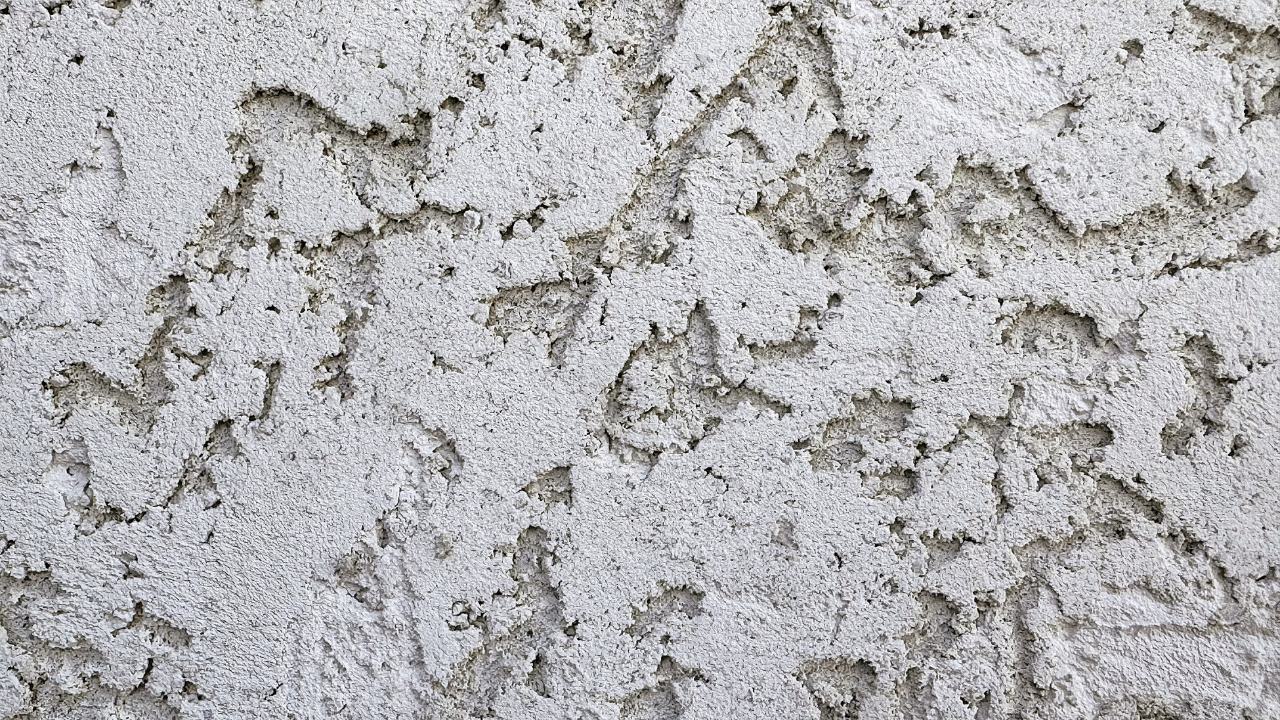
Not every stucco problem requires full replacement. In many cases, targeted repairs can address surface-level cracks and minor damage without the cost and disruption of a full tear-off.
That said, there are situations where replacing stucco exterior is the more practical and cost-effective choice.
Signs replacement may be the right call:
If the damage is isolated and the underlying structure is sound, a skilled repair may be all that's needed. But when problems are widespread or tied to moisture intrusion, a full replacement is often the more durable solution in the long run.
According to the Canada Mortgage and Housing Corporation (CMHC), moisture damage to exterior cladding is one of the most common and costly issues facing Canadian homeowners - making early assessment and proper repair critical.
Before diving into the replacement process, it helps to understand what type of stucco you're working with.
Traditional Three-Coat Stucco
This is the older, more labour-intensive system - applied in a scratch coat, brown coat, and finish coat over metal lath. It's durable and has been used on Canadian homes for decades. When properly maintained, it can last 50 years or more.
One-Coat Stucco Systems
A more modern approach that combines layers into a single application, usually over foam insulation board. Faster to install but may not have the same long-term track record as traditional systems.
EIFS (Exterior Insulation and Finish Systems)
Sometimes called synthetic stucco, EIFS includes a foam insulation layer and a textured acrylic finish. It offers good energy efficiency but has been associated with moisture-related issues in some older installations if not properly installed and maintained.
Knowing what system you have will affect how the replacement is approached and what materials are used.
Replacing stucco exterior is a multi-step job that goes well beyond simply applying a new layer over the old one. Here's a general overview of what the process involves.
Step 1: Inspection and Assessment
Before any work begins, the existing stucco needs to be assessed. This means checking for soft spots, moisture, and damage to the underlying substrate - the sheathing, building wrap, and framing beneath the cladding.
Step 2: Removal
The old stucco is chipped or ground away, along with any damaged lath. This is messy, labour-intensive work, and it often reveals moisture damage or rot that needs to be addressed before new stucco can go on.
Step 3: Substrate Repair
Any damaged sheathing, insulation, or framing is repaired or replaced at this stage. The moisture barrier and metal lath are also inspected and replaced as needed. This step is critical - skipping it is one of the main reasons stucco replacement fails prematurely.
Step 4: New Stucco Application
The new stucco system is applied according to manufacturer specifications. For traditional three-coat systems, each layer needs adequate curing time before the next is applied - rushing this process leads to cracking.
Step 5: Finishing and Painting
Once the stucco has fully cured, it can be finished with a painted or textured topcoat. Painting new stucco helps seal the surface, enhances weather resistance, and gives your home a clean, refreshed appearance.
Not sure what your exterior project will involve? Request a free estimate from Student Works and get a clear picture of the scope before committing.
.jpg)
One of the most important finishing steps after replacing stucco exterior is getting the paint right.
New stucco is highly alkaline and needs adequate time to cure before paint is applied - typically 28 to 60 days, depending on conditions. Painting too early can cause adhesion failures and premature peeling.
When the surface is ready, a masonry primer followed by a high-quality exterior paint is the standard approach. The right paint system will seal the stucco, protect it from moisture, and help it stand up to the freeze-thaw cycles that are common across Western Canada.
Colour choice matters too - lighter colours tend to reflect heat more effectively, while darker shades can cause stucco to absorb more warmth and expand slightly, which may increase the risk of surface cracking over time.
Student Works Painting has experience working with stucco exteriors across British Columbia, Alberta, Saskatchewan, and Manitoba. Our full range of exterior and interior services is designed to support homeowners through every stage of a project like this.
Cost varies significantly depending on the size of the home, the extent of substrate damage, the stucco system chosen, and labour rates in your area. In Canada, full stucco replacement projects can range from several thousand dollars for smaller homes up to $20,000 or more for larger properties with extensive damage.
The cost of not addressing damaged stucco, however, can be much higher. Moisture that gets behind failing stucco can damage sheathing, insulation, and framing - leading to structural repairs that far exceed the cost of timely cladding replacement.
Getting a professional assessment early is one of the best ways to understand what you're dealing with before costs escalate.
Once the stucco replacement is complete, finding the right painter matters. A few things to look for:
Student Works Painting has been operating across Western Canada since 1991, with tens of thousands of satisfied clients and a 3-year guarantee on all paint and labour. Our operators are trained, motivated, and committed to doing the job properly.
.jpg)
Replacing stucco exterior is a significant project, but when it's done right, it adds real value, improves weather resistance, and gives your home a fresh, well-maintained appearance for years to come.
The key is taking it one step at a time - accurate assessment, proper substrate repair, and a quality paint finish to seal and protect the new surface. Cutting corners at any stage tends to show up eventually, usually in the form of the same problems you were trying to fix.
If you're ready to take the next step, get in touch with the team at Student Works for a no-pressure conversation about your project and a free estimate.
How do I know if I need to repair or replace my stucco exterior?
Minor, isolated cracks can often be patched and repainted successfully. Replacement becomes the better option when damage is widespread, the stucco is delaminating from the wall, or moisture has penetrated behind the cladding. A professional inspection will give you a clearer picture.
How long does new stucco need to cure before painting?
Most stucco systems require 28 to 60 days of curing time before paint is applied. Painting too early risks poor adhesion and premature peeling. Always follow manufacturer recommendations and consult your painting contractor before proceeding.
Can you apply new stucco over old stucco?
In some cases, a new coat can be applied over existing stucco if the old surface is still firmly bonded and structurally sound. However, if there is moisture damage, delamination, or widespread cracking, full removal and replacing stucco exterior is typically the better approach.
What type of paint should be used on stucco?
A breathable, masonry-specific exterior paint is generally recommended for stucco surfaces. It should be applied over a compatible primer and in appropriate weather conditions. Your painting contractor can recommend the right product for your specific surface and climate.
Is replacing stucco exterior a DIY project?
Stucco removal and installation typically requires professional tradespeople with the right tools and experience. The painting and finishing phase may be more approachable for confident DIYers, but given the investment involved in a full replacement, most homeowners choose to have the entire project professionally handled.